


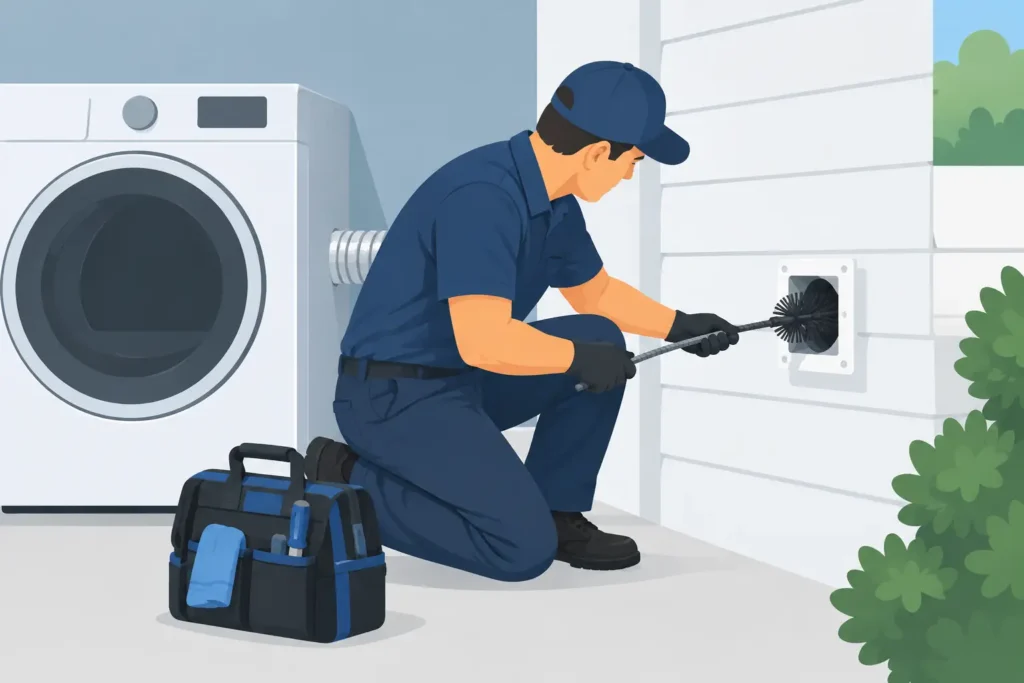
A dryer that takes two cycles to dry a load is not just frustrating. It can signal a restricted vent, excess heat, and lint accumulating where you cannot see it. For homes and properties with gas dryers, TSSA dryer vent technicians bring an added layer of protection because the service may involve work around a gas appliance connection, not simply cleaning a duct.
The distinction matters. A thorough dryer vent cleaning can improve airflow and reduce fire risk, but a technician who disconnects or reconnects a gas dryer must be qualified to handle that part of the job. Knowing what to ask before booking helps GTA homeowners, landlords, and property managers avoid unsafe shortcuts and misleading low-price offers.
What TSSA Dryer Vent Technicians Actually Do
TSSA refers to Ontario’s Technical Standards and Safety Authority, which oversees safety in regulated areas that include gas equipment. A TSSA-certified G2 Gas Technician is qualified to work on many residential gas appliances, including the gas connection associated with a dryer.
Not every dryer vent cleaning appointment requires gas work. If a dryer can be safely serviced without disturbing the gas line, vent cleaning itself is focused on the exhaust path: the transition duct behind the dryer, the concealed vent run, elbows, exterior termination, and lint buildup that restricts airflow.
The situation changes when a gas dryer needs to be moved, disconnected, reconnected, or assessed because of a damaged connector, suspected leak, or improper installation. That is when a properly certified gas technician is the right person for the job. A company should be direct about who will handle the appliance connection and what is included in the service.
A certified technician does not turn a routine cleaning into a complicated project. They make sure the work is performed with the correct level of care. For gas dryer owners, that peace of mind is worth far more than a bargain quote that leaves safety questions unanswered.
Why a Restricted Dryer Vent Is a Real Safety Issue
Every load of laundry sheds lint. The dryer filter catches a portion of it, but fine fibers still travel through the exhaust system. Over time, lint can collect in long vent runs, sharp bends, crushed flexible ducts, roof exits, and exterior flaps that no longer open properly.
As the path narrows, the dryer works harder to push out heat and moisture. Clothes may remain damp, the laundry room may feel hot or humid, and the appliance may run longer than it should. Longer cycles raise energy use and add wear to the dryer. More concerning, heat and combustible lint can create a preventable fire hazard.
For condo suites and commercial laundry areas, the risk can be harder to spot. The vent route may travel through walls, ceilings, shared mechanical spaces, or multiple floors before reaching the exterior. A clean lint screen does not prove that the full system is clear.
Dryer vent cleaning is also about moisture control. When moist air cannot exit efficiently, it can contribute to stale conditions around the laundry area. The exact impact depends on the building layout and the severity of the restriction, but poor exhaust performance should never be ignored.
Signs You Should Schedule a Professional Inspection
One warning sign can have a simple cause. Several signs together usually point to a venting problem or an appliance issue that deserves attention. Watch for these common changes:
- Loads take longer than usual to dry, even after cleaning the lint screen.
- The dryer, laundry room, or clothing feels unusually hot at the end of a cycle.
- A burning smell appears during operation.
- The exterior vent hood has weak airflow, stays closed during drying, or is clogged with lint.
- Lint gathers behind the appliance or around the exterior termination.
- Your dryer displays an airflow or overheating warning.
These signs do not automatically mean the vent is the only problem. A failing heating element, blower issue, moisture sensor, or damaged transition duct can also affect performance. A professional service should identify visible concerns rather than promising that cleaning alone will solve every drying problem.
If you smell gas, hear hissing near the gas connection, or suspect a gas leak, stop using the appliance and treat it as an urgent gas-safety concern. Dryer vent cleaning should wait until the appliance and connection have been assessed appropriately.
What a Proper Dryer Vent Service Should Include
A legitimate service starts with the system, not a vague flat-rate promise. The technician should consider the dryer type, the length and routing of the vent, access to the exterior exit, and whether the appliance needs to be moved. Longer or more complex runs can require more time and specialized equipment, especially in condos and commercial settings.
The cleaning process should remove lint and debris from the accessible vent path using equipment designed for dryer exhaust systems. The transition duct behind the dryer deserves attention too. Flexible plastic or foil-style ducts are more prone to crushing and are not the same as a properly installed metal connection.
The exterior vent cap also matters. A blocked screen, stuck damper, bird nest, or heavily linted hood can restrict the system even after the interior duct is cleaned. The goal is not to make the vent look clean at one point. The goal is to restore a clear route for heat and moisture to exit the building.
For a gas dryer, ask a direct question before the appointment: Will a TSSA-certified G2 Gas Technician handle any necessary disconnection and reconnection? A reputable provider will answer clearly. If the scope does not include gas handling, they should explain what they can safely do and when another qualified professional is needed.
The Difference Between a Low Price and a Safe Price
Dryer vent cleaning attracts the same type of misleading advertising seen across the duct-cleaning industry. A suspiciously cheap offer may sound attractive until the crew arrives, adds unexpected charges, rushes through the job, or uses scare tactics to pressure you into services you did not request.
Price should be transparent, but it should not be your only filter. Ask what vent length is covered, whether the exterior termination is included, how difficult access is handled, and whether gas appliance movement is performed by a qualified technician. Clear answers protect you from surprise charges and from incomplete work.
It is also reasonable to ask for identification, technician qualifications, and a description of the process before work begins. Professional companies do not need to hide behind cold calls, aggressive door-to-door pitches, or claims that your home has an emergency problem without inspecting it.
Dust Chasers approaches dryer vent maintenance with the same practical standard used for indoor air services: clear scope, trained technicians, and attention to the conditions that actually affect airflow and safety.
How Often Should Dryer Vents Be Cleaned?
For many households, an annual dryer vent cleaning is a sensible baseline. The right schedule depends on how often the dryer runs, the size of the household, the type of laundry being dried, and the design of the vent route. Families with frequent laundry loads, pet bedding, towels, or heavy fabric items may benefit from more frequent service.
A condo unit with a long concealed run may need closer monitoring than a detached home with a short, straight exterior wall vent. Shared laundry rooms and commercial facilities typically need a maintenance schedule based on usage and building requirements rather than a one-size-fits-all calendar date.
Between professional appointments, clean the lint screen before every load and check the exterior vent hood periodically while the dryer is operating. You should feel warm air moving outside. Do not install screens that trap lint over the vent termination, and do not push the dryer so tightly against the wall that the duct becomes crushed.
A Safer Standard for Gas Dryer Service
A clean dryer vent helps the appliance run with better airflow. A qualified gas technician helps ensure that any work involving the gas dryer connection is handled responsibly. Those are related services, but they are not interchangeable.
Before booking, take one minute to confirm the dryer type, the vent location, and whether the appliance needs to be moved. That small bit of preparation helps the right technician arrive ready to do the job safely, thoroughly, and without surprises.