


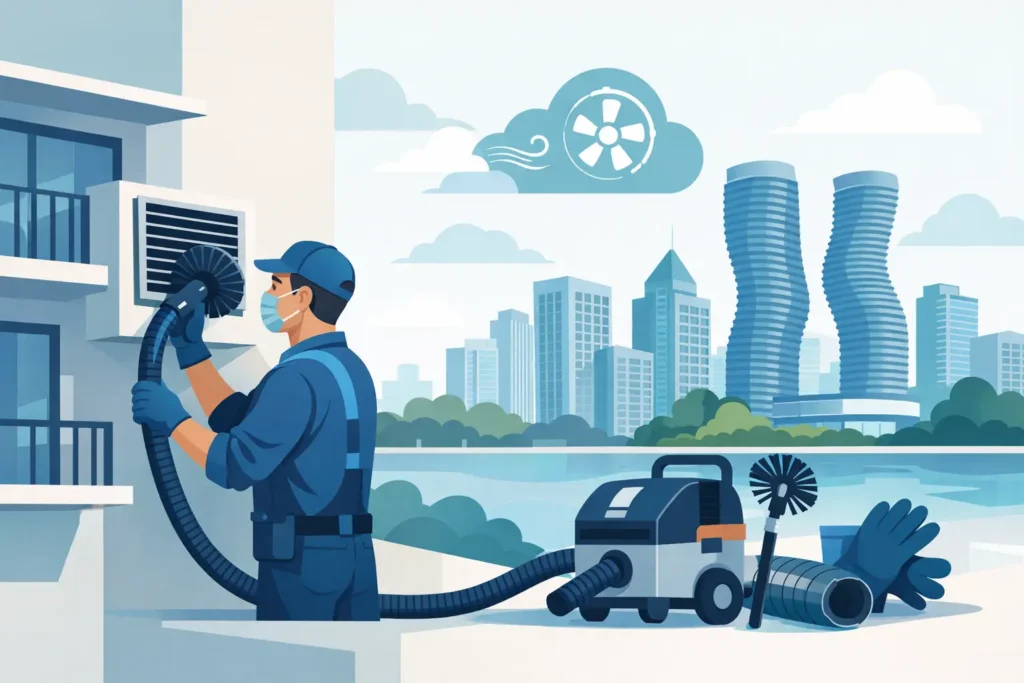
A bedroom that stays dusty after cleaning, a bathroom fan that barely clears steam, or a dryer that suddenly needs two cycles are not minor apartment annoyances. They can point to restricted airflow. Mississauga apartment vent cleaning is about finding the right system, cleaning it properly, and making sure responsibility is clear between the resident and the building.
Apartments are different from detached homes. Your vents may connect to shared shafts, central HVAC equipment, rooftop exhaust systems, or a dryer route that passes through several walls before it reaches outdoors. That is why a quick, bargain-priced visit from an unknown caller is not a maintenance plan. The work needs to match the building, the vent, and the access available.
What “Vent Cleaning” Means in an Apartment
The phrase can describe several very different services. A professional should identify which one you need before quoting work or bringing equipment into the unit.
Dryer vent cleaning removes lint and debris from the duct that carries hot, moist air from your dryer to the exterior. This is the urgent one when drying times increase, the laundry area feels unusually hot, or you notice a burning smell. Lint is highly combustible, and a blocked dryer exhaust also forces the appliance to work harder.
Bathroom and kitchen exhaust cleaning addresses the fans and ducts that remove humidity, odors, and airborne grease. In many condominium buildings, these systems serve multiple units or connect to a common shaft. A technician can often clean accessible grilles and branch connections, but the building may need to authorize any work on the shared system.
Air duct cleaning applies to supply and return ducts connected to your heating and cooling equipment. Some apartment suites have individual fan coil units or furnaces; others are served by central building systems. The scope depends on where your unit’s responsibility ends and common building infrastructure begins.
These services solve related airflow problems, but they are not interchangeable. If someone offers one flat price to clean every duct and vent in a multi-unit building without asking about the setup, treat that as a warning sign.
When Mississauga Apartment Vent Cleaning Is Worth Booking
There is no honest one-size-fits-all schedule. A quiet household with a well-functioning exhaust path may need less frequent service than a home with pets, long hair, heavy laundry use, or occupants with dust sensitivities. The clearer question is whether the system is showing signs of restriction.
For dryer vents, slower drying is the signal most people notice first. If towels take two or three cycles, do not assume the dryer is failing. Check the lint screen, then have the full vent path assessed. A clean lint screen does not mean the duct behind the appliance is clear.
For bathroom exhaust, lingering condensation matters. A mirror that stays fogged long after a shower, peeling paint near the ceiling, or recurring mildew around grout can mean humid air is not leaving efficiently. Vent cleaning will not fix a failed fan motor or a building-wide pressure issue, but it can remove dust accumulation that is reducing an otherwise functional fan’s performance.
For air ducts, pay attention to a visible dust buildup around supply vents, weak airflow in one room, stale odors when the system starts, or excessive debris after a renovation. Cleaning is not a cure for every respiratory concern. It can reduce accumulated dust and debris, but persistent odors, moisture, or suspected mold require investigation of the source, not just a cleaning appointment.
Tenant, Landlord, or Condo Corporation: Who Handles It?
This is where apartment maintenance gets complicated. The answer depends on the lease, condo declaration, appliance ownership, and whether the duct serves only your suite.
Tenants should report performance problems promptly and document what they see: extended dryer cycles, visible lint, fan noise, condensation, or water staining. If the dryer came with the apartment, the landlord may be responsible for the appliance and its dedicated exhaust path. If you own the appliance in a condo, responsibility may fall to you until the duct joins a common element.
Property managers and condo boards need a different approach. They should know which exhaust routes are individual and which are shared, keep records of past service, and establish a clear approval process for suite access. A problem in one unit can sometimes affect neighboring residents, especially in connected exhaust systems.
Before booking, ask one practical question: Is this vent exclusively part of my suite, or does it connect to a common building system? That answer determines whether you can proceed directly or need written approval from management.
What Proper Dryer Vent Service Looks Like
A real dryer vent cleaning is more than brushing lint out of the flexible hose behind the machine. The technician should assess the accessible route, disconnect the dryer safely when needed, remove lint from the connection and duct, and check that exhaust is moving outside as intended.
The outside termination also matters. A clogged exterior hood, damaged flap, or screen that traps lint can restrict airflow even if the indoor connection looks clean. In colder weather, moisture can compound the issue. Long duct runs and multiple bends create additional resistance, so apartments with those layouts may need more attention than a short, straight vent route.
There are limits. Technicians should not cut into walls, modify shared shafts, or make electrical or gas-related changes without proper authorization and qualifications. If the dryer is gas-fired, safe disconnection and reconnection are not casual tasks. Work with a provider that can clearly explain what is included, what requires building approval, and who is qualified to handle the equipment.
Avoid the Cheap-Call Trap
Apartment residents are frequent targets for duct-cleaning scams. The pattern is familiar: an unsolicited call, an unusually low price, vague promises to clean the whole system, then pressure for expensive add-ons after the crew arrives. That approach creates confusion, especially when a resident is unsure what belongs to the suite versus the building.
A reputable company should provide clear pricing, ask sensible questions about the apartment setup, and explain the service before work begins. Be cautious if the caller refuses to identify the company, cannot describe the equipment being used, or claims that every home has dangerous contamination without inspecting anything.
Low prices are not automatically dishonest, but a price that ignores unit type, vent length, access, and service scope is rarely a complete quote. Transparent service protects both your air quality and your budget.
Preparing for a Cleaner, Faster Appointment
A little preparation helps technicians work efficiently. Clear the area around the dryer, fan coil closet, or vents being serviced. Let building management know about the appointment if your rules require it. If the dryer is stacked in a tight closet, mention that when requesting a quote so the team can plan for access.
Property managers can make a larger difference by coordinating appointments for similar units, confirming access to mechanical rooms when necessary, and giving residents clear notices. That reduces missed visits and avoids the common problem of a technician arriving only to learn that a shared roof exhaust or utility room cannot be accessed.
Dust Chasers approaches ventilation work with the practical goal residents and building teams actually care about: cleaner airflow, less dust where cleaning can help, and safer dryer operation. For gas dryer connections, qualified TSSA G2 gas technicians add another layer of confidence when the job calls for it.
A vent should move air, not become a hidden storage space for lint, dust, and moisture. If your apartment is giving you clear signs that it cannot, address the cause early – before a frustrating laundry day becomes a preventable safety or maintenance problem.