


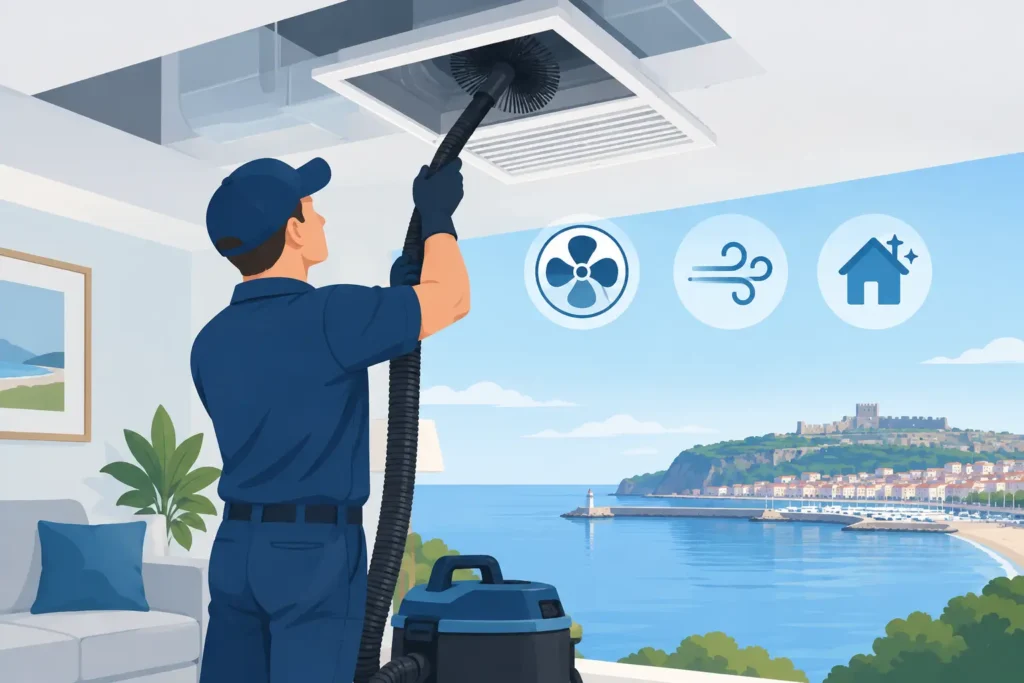
A bedroom that gets stuffy overnight, a dryer that suddenly needs two cycles, and dust returning to furniture days after cleaning are not small household annoyances. They can point to an airflow problem that deserves attention. This Scarborough ventilation cleaning guide helps homeowners, condo residents, and property managers separate normal maintenance needs from warning signs that should not be ignored.
Ventilation cleaning is not one generic service. Your heating and cooling ducts, dryer vent, bathroom exhaust, and commercial ventilation equipment do different jobs, collect different debris, and need different methods. The right approach starts with identifying what is actually causing the problem.
When ventilation cleaning makes sense
A system does not need to look visibly dirty at every register before service becomes worthwhile. Dust travels through return ducts, heating and cooling components, and supply runs over time. Renovations, pets, a recent move, and a busy household can increase the load quickly.
Pay attention to patterns rather than a single dusty vent cover. If multiple rooms have weak airflow, some rooms heat or cool differently than others, or the HVAC filter becomes dirty unusually fast, the duct system may be carrying more debris than it should. Persistent dust around supply registers can also be a clue, especially when it returns soon after regular cleaning.
For people with allergies or respiratory sensitivity, cleaner ventilation can reduce one source of airborne dust and allergens. It is not a cure for every indoor air issue. Carpets, upholstered furniture, open windows, humidity, pet dander, and outdoor conditions all affect the air inside. Still, a properly cleaned duct system can remove accumulated debris that is being moved through the home whenever the equipment runs.
A musty odor is different. It may come from a dirty system, but it can also signal moisture, a drain issue, a damp building material, or a problem near the HVAC equipment. Cleaning alone does not fix an active moisture source. A credible technician should explain that distinction instead of promising to solve every odor with a quick duct treatment.
Dryer vents need faster action
Dryer vent cleaning is a safety service as much as a housekeeping task. Lint is highly combustible, and restricted exhaust makes the dryer work harder while trapping heat and moisture where they do not belong.
The most common warning sign is longer drying time. If towels, jeans, or bedding require a second cycle when they did not before, do not keep increasing the heat setting and hoping for the best. Check the lint screen, then have the full vent route assessed. A clean screen does not mean the duct behind the dryer is clear.
Other signs include a hot laundry room, a burning smell, excess lint behind the appliance, a weak exterior exhaust flap, or condensation near the dryer. These conditions are especially concerning in condos, where vent routes can be long and may include several bends before reaching the exterior.
How often a dryer vent needs cleaning depends on use, the length and layout of the vent, and the type of laundry being dried. A large family, shared laundry room, or property with heavy towel and bedding loads may need more frequent service than a lightly used household dryer. The goal is not to follow a random calendar date. It is to maintain clear exhaust and safe operation.
What professional duct cleaning should include
Effective air duct cleaning is more than placing a vacuum hose near a register. A professional service should be designed to remove loosened debris while keeping it contained, with technicians accessing the relevant supply and return sides of the system as appropriate for the home or building.
Before work begins, expect a conversation about the property, equipment, and concerns. A detached home with a basement furnace has different access points from a condo fan coil system. A commercial facility may have multiple air-handling units, operational hours to work around, and tenant considerations. One package for every building is usually a warning sign, not a convenience.
The technician should also recognize the limits of the service. Cleaning ducts will not repair crushed flex duct, replace a failing blower motor, correct poor duct design, or remove mold from wet building materials. If a mechanical or gas-related issue is found, it should be referred to properly qualified professionals. Where gas appliance work is involved, ask whether the technician holds the applicable credentials, such as a TSSA G2 certification in Ontario.
Sanitizing can be useful in specific circumstances, but it should not be sold as a magic finish for every job. The priority is physical debris removal and correcting any ongoing cause of contamination or moisture. A service provider that includes complimentary sanitation should still be able to explain what is being applied, where, and why.
A Scarborough ventilation cleaning guide to avoiding scams
Ventilation cleaning has a well-earned reputation for aggressive discount marketing. The problem is not competitive pricing. The problem is the bait-and-switch approach: an unsolicited call promises an impossibly low whole-home price, then the crew arrives and adds pressure, vague contamination claims, or surprise fees.
Protect your home by getting clear answers before you book. Ask what areas are included, whether the quoted price covers the full system, what can change the price, and whether there are extra charges for returns, main lines, access panels, dryer vent length, or condo requirements. A legitimate company can explain its scope in plain language.
Be cautious if the caller pressures you to decide immediately, cannot identify the business clearly, or claims your ducts are dangerous without seeing the property. No reputable technician can diagnose a specific contamination problem from a cold call. If an inspection reveals something unusual, you should be shown the issue and told what it means before approving additional work.
Verification matters. Look for an established local business, transparent contact information, insured technicians, clear scheduling, and reviews that describe the actual service experience rather than only generic praise. For property managers, request documentation that matches the building’s maintenance records and confirms the serviced equipment or units.
Preparing your home or condo for service
A little preparation helps the appointment move efficiently. Clear a path to the furnace, air handler, laundry area, and registers that need access. Let the crew know about parking restrictions, elevator bookings, concierge rules, pets, or rooms that cannot be entered. In condo buildings, confirm whether building management requires notice before dryer vent or fan coil work begins.
You do not need to dismantle equipment yourself. In fact, avoid pulling out a heavy dryer or opening mechanical panels unless you know it can be done safely. Technicians need access, but they should handle the work without creating unnecessary damage or leaving a mess behind.
After cleaning, replace or check the HVAC filter according to the equipment manufacturer’s recommendation and your household conditions. A quality filter supports cleaner airflow, but an overly restrictive filter can reduce performance if it is not suitable for the system. If you are unsure, ask the HVAC professional which filter type fits your equipment and maintenance habits.
Maintenance that keeps airflow from slipping
Ventilation cleaning works best as part of a simple maintenance routine. Vacuum return grilles and visible register covers during regular cleaning. Keep furniture, rugs, and storage from blocking returns. Check the outdoor dryer exhaust periodically for a flap that opens freely while the dryer runs, without standing directly in the exhaust path.
For homes with pets, frequent cooking, nearby construction, or recent renovations, inspect filters more often. Renovation dust is particularly fine and can spread farther than expected. If you notice a sharp change in airflow or a new odor after construction, do not assume it will settle on its own.
Property managers should treat ventilation maintenance as a resident-safety and operating-cost issue, not just a turnover task. Dryer vent restrictions can create urgent risk, while neglected air systems can lead to comfort complaints that affect multiple units. Scheduled, documented maintenance is easier to manage than emergency calls and frustrated tenants.
For Scarborough homes and buildings, the best next step is specific: address the system showing symptoms, ask direct questions about the work, and choose a provider that values clear scope over flashy bargain pricing. Dust Chasers brings that practical, safety-first approach to ventilation and dryer vent service across the GTA. Cleaner airflow begins with knowing what your system is trying to tell you.