


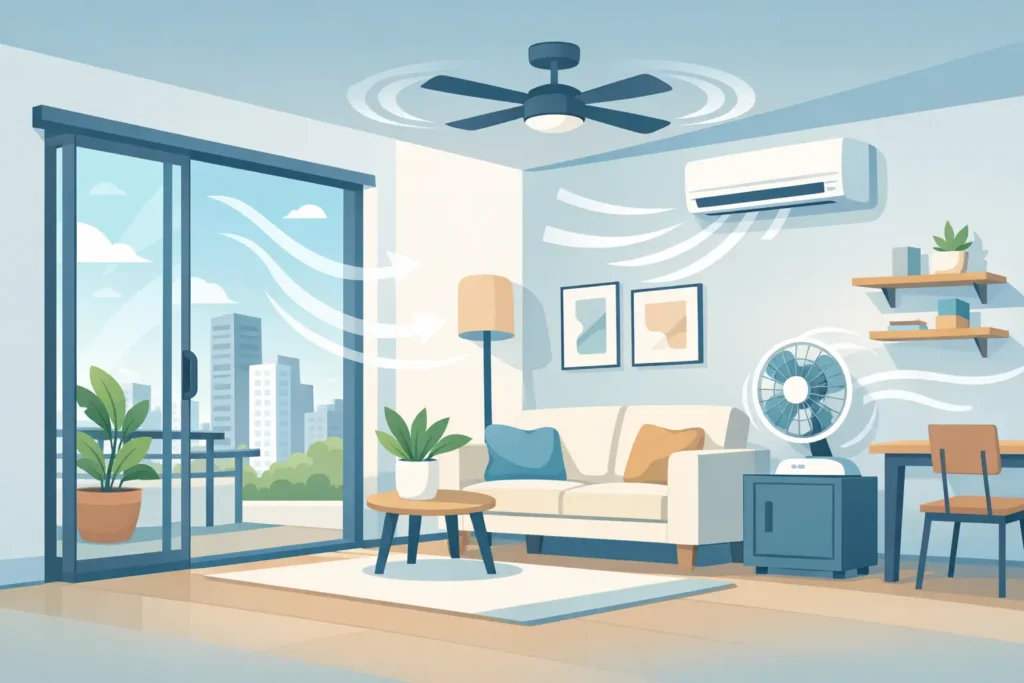
A condo can look spotless and still feel stuffy by midafternoon. One bedroom runs warm, the bathroom stays humid after every shower, and dust seems to return the day after cleaning. If you are wondering how to improve condo airflow, the answer is rarely a single gadget or a wider-open vent. It starts with identifying what is blocking, unbalancing, or exhausting the air in your suite.
Condo ventilation is different from a detached home. Your unit may rely on a fan coil, heat recovery ventilator, bathroom exhaust, kitchen exhaust, a central building system, or a combination of all of them. Some components belong to you, while others are managed by the building. That means the best fix is practical, targeted, and careful not to interfere with the building’s design.
Start With the Airflow Problems You Can See and Feel
Airflow issues usually leave clues. A room that is consistently hotter or colder than the rest of the condo may have a blocked supply vent, restricted return air path, or closed door that prevents circulation. Stale odors, lingering cooking smells, and excessive humidity point more often to weak exhaust or inadequate fresh-air exchange.
Walk through the suite with the HVAC system running. Hold a lightweight tissue near supply vents, return grilles, bathroom fans, and the kitchen hood. You are not trying to perform a technical inspection. You are looking for obvious differences: one vent with barely any movement, a bathroom fan that cannot pull the tissue toward the grille, or a return grille covered with visible dust.
Pay attention to timing too. If airflow is weak only during peak heating or cooling seasons, the issue may be related to the building system’s settings or capacity. If it is weak all year, a dirty filter, blocked vent, dirty ductwork, or mechanical problem becomes more likely.
How to Improve Condo Airflow With Simple Changes
The quickest improvements often come from removing the restrictions that have quietly built up around vents and equipment. Start with the basics before spending money on portable devices or major repairs.
Keep supply and return vents clear
A supply vent delivers conditioned air into the room. A return vent pulls air back to the HVAC system. Both need open space to work. A sofa, bed frame, storage bin, or long curtain placed directly in front of a grille can reduce circulation substantially.
Move furniture at least several inches away from vents and returns where possible. Avoid covering grilles with decorative magnetic covers unless a qualified technician or your property manager has confirmed that the vent is not needed. Closing multiple vents to force air into one room can also create pressure problems and reduce overall system performance.
Replace or clean the right filter
If your condo has an accessible fan coil filter, check it regularly. A clogged filter makes the equipment work harder while delivering less air. It can also allow dust to settle inside the system and contribute to uneven heating or cooling.
Use the filter type and replacement schedule recommended for your unit. A very high-efficiency filter may sound like the best choice, but some fan coil systems cannot handle the added resistance. If airflow drops noticeably after installing a denser filter, ask the building manager or an HVAC professional what rating is appropriate. Better filtration only helps when the system can still move air properly.
Give air a path through the suite
Closed interior doors can trap air, especially in bedrooms with a supply vent but no return grille. If a room feels warmer than the rest of the condo when the door is shut, leave it open periodically or use a doorstop when privacy is not needed. For sleeping, a small fan positioned to move air out of the room can help create circulation without blasting air directly at the bed.
This is also why under-door gaps matter. They may not look like much, but they allow air to travel toward return pathways and exhaust points. Do not seal every gap around interior doors in the name of efficiency without considering ventilation.
Use Exhaust Fans the Right Way
Bathroom and kitchen exhaust systems are designed to remove moisture, odors, and airborne particles at the source. They are not optional background noise. They are part of your condo’s air strategy.
Run the bathroom fan during showers and for at least 20 to 30 minutes afterward. If the mirror stays fogged long after you finish or mildew appears around grout and caulking, the fan may be underperforming. Clean the grille cover gently, but do not push tools or vacuum hoses deep into the fan housing. That can damage components or dislodge dust into the room.
Use the kitchen hood whenever you cook, particularly when frying, searing, or boiling. Recirculating hoods can reduce grease and some odors, but they do not remove humidity outside the suite. If your hood vents outdoors or into a building exhaust system, keep its grease filters clean so air can move through them.
Reduce Dust That Restricts Air Movement
Dust does more than make vents look neglected. It collects on grille faces, fan coil components, filters, and duct surfaces. In a compact condo, where air is constantly recirculating through a smaller footprint, that buildup can become noticeable quickly.
Vacuum vent covers with a soft brush attachment and wipe them with a damp microfiber cloth. Clean the area around return grilles, where lint and pet hair tend to gather. If you see heavy dust blowing from vents, persistent debris around grilles shortly after cleaning, or airflow that remains weak after changing the filter, the problem may extend beyond the surface.
Professional duct cleaning can be useful when accessible suite ductwork has significant dust buildup or when occupants are dealing with recurring debris, renovation dust, or allergy concerns. It is not a cure-all for every ventilation issue. A reputable provider should inspect the situation, explain what can be cleaned in a condo system, and give transparent pricing rather than pushing a suspiciously cheap, one-size-fits-all offer.
Do Not Ignore Dryer Vent Warning Signs
In condos with in-suite laundry, dryer airflow deserves separate attention. A blocked or restricted dryer vent can make clothes take longer to dry, leave the laundry area hot and humid, and raise fire risk. Lint screens should be cleaned after every load, but the screen is only the first line of defense.
If drying time has increased, the dryer feels unusually hot, or you notice a burning smell, stop using the appliance until the cause is checked. The duct route may be long, shared, concealed, or subject to building rules, so do not disconnect or alter it without approval. Your condo corporation may be responsible for common portions of the vent system, while the resident is responsible for the appliance connection. Confirm the policy before booking service.
Know When the Building Needs to Get Involved
Not every airflow issue can be fixed inside your unit. In fact, condos often have pressure-controlled systems, common exhaust shafts, make-up air equipment, and rooftop components that residents should never adjust themselves.
Contact property management when you notice persistent bathroom exhaust failure, strong odors entering from another unit, water staining near vents, unusual rattling from a fan coil, or widespread temperature imbalance. Document the issue with dates, photos, and a short description of when it occurs. That gives management a clearer starting point than simply reporting that the condo feels stuffy.
If you own the unit, review the condominium documents before replacing grilles, installing through-wall fans, modifying ductwork, or adding a portable AC exhaust setup. An unauthorized change can affect building pressure, create condensation concerns, or violate condo rules.
Make Small Habits Work Together
The most effective condo airflow plan is usually a combination of routine maintenance and smart daily use. Keep filters on schedule, leave vents accessible, use exhaust fans consistently, clean visible dust, and report mechanical issues early. A portable air purifier can help capture particles in a bedroom or living area, but it does not replace fresh-air ventilation or repair weak exhaust.
For Toronto-area condo residents, seasonal shifts can make these issues more obvious. Winter means closed windows and dry, recirculated air. Summer brings humidity, cooking odors, and heavier use of cooling equipment. A clean, properly functioning ventilation system helps the suite feel more balanced in both seasons.
When the easy fixes do not change the way your condo feels, do not keep masking the problem with scented products or extra fans. Get the system assessed by qualified professionals and involve building management where shared equipment is involved. Cleaner air starts with airflow that has somewhere clear to go.