


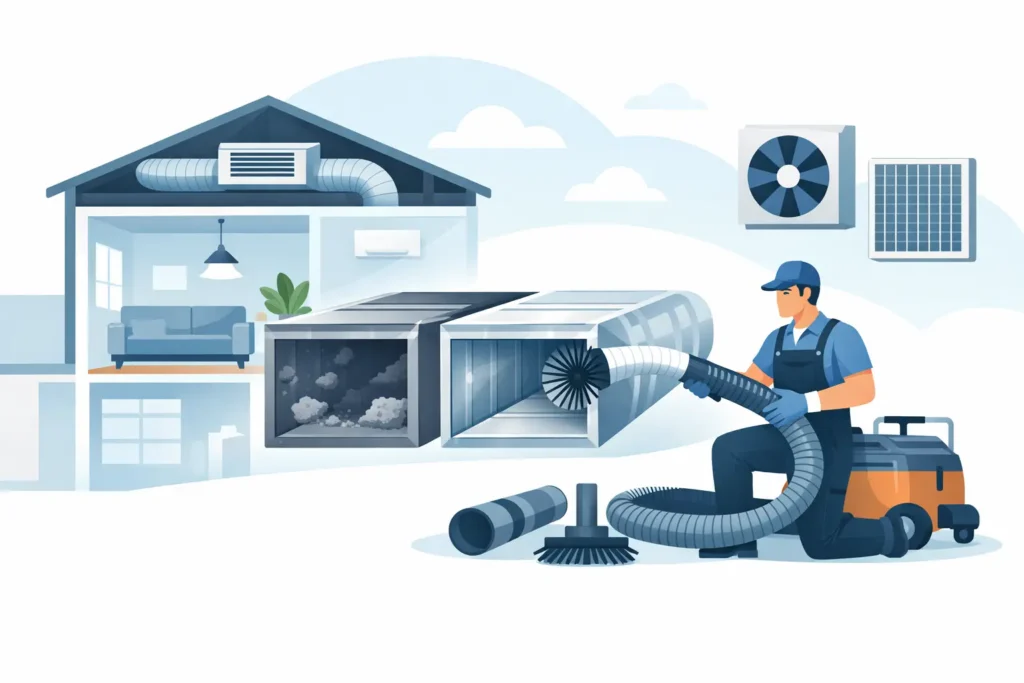
You usually notice duct problems indirectly. A layer of dust shows up again two days after cleaning. One bedroom stays stuffy while the rest of the house feels fine. The furnace runs, but airflow feels weak. This air duct cleaning homeowners guide is built for that moment – when you want real answers, not scare tactics, fake discounts, or a rushed sales pitch.
For many homeowners, air duct cleaning sits in a gray area. You know your HVAC system moves air through every room, but you may not know when cleaning is worth it, what it should actually include, or how to tell a professional from a low-cost operator cutting corners. That confusion is exactly why this topic gets abused by scammy marketing. The truth is simpler. Duct cleaning can be valuable, but only when the need is real and the work is done properly.
When an air duct cleaning homeowners guide matters most
Air duct cleaning is not magic, and it is not a cure-all for every indoor air complaint. If your home has sealed ductwork, a good filter, and no major contamination issues, cleaning may not be urgent. But there are situations where it makes sense.
If you have visible dust buildup around vents, debris inside supply registers, recent renovation dust, pet hair moving through the system, musty odors when the HVAC starts, or uneven airflow, it is worth a closer look. The same goes for homeowners dealing with allergy concerns, moving into a previously occupied property, or catching up on maintenance after years of neglect.
There is also the practical side. Ducts do not just collect fine dust. Depending on the home, they can hold drywall debris, insect remains, pet dander, lint, and heavier buildup that affects how clean the system stays. If the system is circulating that material every time it turns on, cleaning can support better air movement and a cleaner living environment.
That said, not every dusty house has dirty ducts as the main problem. Poor filtration, leaky return ducts, an aging HVAC unit, indoor humidity issues, and everyday housekeeping habits all play a role. A good contractor will tell you that. A bad one will blame your ducts for everything.
What professional duct cleaning should actually do
A proper job is more than vacuuming a vent cover and calling it done. Real duct cleaning targets the full system, not just the parts you can see. That usually includes supply ducts, return ducts, registers, grilles, and key HVAC components connected to airflow.
The process should involve negative pressure equipment or another professional-grade extraction method designed to remove loosened debris from the system. Agitation tools are often used to dislodge buildup from interior duct surfaces so it can be captured rather than blown around the home. If a company is in and out in 20 minutes for a whole house, that is a red flag.
Homeowners should also expect clear communication before work starts. The contractor should explain what is being cleaned, how access points are handled, whether sanitation is included, and what results are realistic. Cleaner ducts can help reduce circulating dust and improve airflow in some cases, but they will not fix a broken blower motor, undersized duct design, or chronic moisture problems.
Signs you may be dealing with a duct cleaning scam
This industry has a reputation problem for a reason. Some companies use cold calls, rock-bottom teaser prices, and pressure tactics to get in the door. Once inside, they upsell aggressively, claim dangerous contamination without proof, or perform little actual cleaning.
The first warning sign is pricing that makes no operational sense. If a whole-home service is advertised at a price that barely covers travel, equipment, and labor, expect the real cost to change fast. Another warning sign is fear-based language without evidence, especially instant claims of mold or toxic buildup made before any proper inspection.
You should also be cautious if the provider cannot explain their equipment, does not outline the scope of work, avoids discussing technician qualifications, or refuses to give transparent pricing. For homes with gas appliances, the stakes are higher. Any service around ventilation and connected systems should be handled with care by trained professionals, not whoever answers a discount ad.
In the GTA, homeowners have seen plenty of this nonsense. That is one reason serious companies have taken a stronger anti-scam position. Trust matters more in this category because most homeowners cannot verify the work with one quick glance.
What results should homeowners expect
The best outcomes are usually practical, not dramatic. After a proper cleaning, some homeowners notice less dust settling near vents, fresher-smelling air, and more consistent airflow from room to room. If the system had visible debris buildup, the difference can be obvious. If buildup was moderate, the improvement may be more subtle.
It also depends on what else is happening in the house. If you have old carpet, heavy pet shedding, high foot traffic, or construction dust from a recent remodel, airborne particles can still be an issue even after the ducts are cleaned. In that case, duct cleaning is one piece of the solution, not the whole solution.
This is where honest expectations matter. Professional service should improve the condition of the duct system. It should not be sold as a miracle cure for every cough, odor, or comfort complaint. Good contractors focus on measurable, believable benefits – cleaner system pathways, reduced debris, better airflow support, and a healthier starting point for indoor air quality.
How often should ducts be cleaned?
There is no single schedule that fits every home. A family with pets, renovations, and allergy concerns may benefit from more frequent service than a smaller household with a newer HVAC system and good filter habits. For many homes, cleaning every few years is reasonable. For others, it may be needed sooner or later depending on conditions.
The better approach is to look at triggers instead of chasing a generic timeline. If you have just completed renovation work, moved into an older home, noticed unusual dust patterns, or gone years without service, an inspection makes sense. If your ducts and HVAC system are in good shape and your indoor air feels normal, you may not need immediate cleaning.
Dryer vent cleaning follows a different logic and should not be lumped in with air ducts. That service is more directly tied to fire prevention and appliance efficiency. Homeowners often confuse the two because both involve hidden vent pathways, but the urgency and risk profile are not the same.
Questions to ask before you book
The fastest way to protect yourself is to ask direct questions and listen for direct answers. Ask what is included in the quoted price, how long the job typically takes, what equipment is used, and whether sanitation is part of the service. Ask if technicians are trained, certified where relevant, and experienced with residential systems like yours.
You should also ask how the company handles access points, protects the home during service, and verifies the work has been completed properly. A reliable provider will not get defensive. They will welcome the questions because informed homeowners are usually better customers.
If the answers feel vague, rushed, or loaded with pressure, keep looking. Professional contractors know this is a trust-based service. They should act like it.
Choosing a company that works like a professional
A solid duct cleaning company is not just selling cleaner vents. It is selling accountability. That means transparent pricing, legitimate scheduling, trained technicians, and a process that respects your home. It also means being honest about when cleaning helps and when another issue may be the real cause of poor air quality or weak airflow.
That is where established, specialized companies stand apart from coupon-driven operators. A focused indoor air quality provider is more likely to understand system performance, contamination sources, and the difference between a needed service and an unnecessary upsell. In a market like Toronto and the surrounding GTA, where homeowners have plenty of options and plenty of noise, that professionalism matters.
Dust Chasers has built its reputation around that kind of straight talk – clear pricing, certified expertise, and no patience for scam-style duct cleaning games. That approach should be the standard, not the exception.
The smartest way to use this air duct cleaning homeowners guide
Use this guide as a filter. If a company leads with panic, absurdly low pricing, or claims that sound too convenient, walk away. If a provider explains the work clearly, sets realistic expectations, and treats your home like a system instead of a sales target, you are probably in the right place.
Clean air starts with good decisions. Sometimes that means booking a professional cleaning. Sometimes it means replacing filters, checking for duct leaks, or addressing humidity first. The goal is not to buy the most service. It is to fix the right problem and breathe easier because of it.