


If dust settles again just days after cleaning, one room always feels stuffy, or your dryer takes two cycles to finish a load, your indoor air quality may be telling you something. These are not always small housekeeping frustrations. They can point to restricted airflow, built-up contaminants, excess humidity, or a dryer vent that needs immediate attention.
For homeowners, condo residents, and property managers, the goal is simple: cleaner air, dependable ventilation, and fewer preventable safety issues. The right response depends on the cause. Air duct cleaning can be valuable when dust and debris have accumulated in the system, but it is not a cure-all for every odor, allergy, or moisture problem.
What Shapes Indoor Air Quality?
The air inside a home or building is constantly moving through rooms, filters, vents, bathrooms, kitchens, and HVAC equipment. Every part of that system can affect what occupants breathe. Outdoor pollution can enter through doors, windows, and ventilation intakes. Indoors, common contributors include pet dander, pollen, cooking particles, cleaning-product fumes, dust mites, construction debris, and moisture.
Ventilation matters because it removes stale air and helps control humidity. When airflow is weak, contaminants can linger longer. A clogged filter, blocked return vent, dirty blower area, or neglected ductwork can all make a system work harder without delivering the comfort people expect.
There is also a practical difference between a home with occasional dust and a building with persistent air concerns. A quick spike in dust after renovations may call for targeted cleanup and filter changes. Ongoing odors, uneven temperatures, or recurring allergy complaints need a closer look at the ventilation system, moisture conditions, and source of contamination.
7 Air Quality Warning Signs at Home or Work
1. Dust returns almost immediately
No home stays dust-free, especially with pets, children, open windows, or a busy household. But thick dust around supply vents, return grilles, furniture, and electronics shortly after cleaning is worth investigating. It may mean the HVAC filter is overloaded, ducts contain accumulated debris, or air is being pulled in from an unsealed area such as an attic, crawlspace, or utility room.
2. Rooms feel stuffy or have uneven airflow
A room that is consistently warmer, colder, or more stagnant than the rest of the property may have an airflow issue. Closed or blocked vents, duct restrictions, poorly balanced airflow, and equipment problems are all possible causes. Cleaning may help if debris is restricting the system, but a qualified technician should not promise that duct cleaning alone will solve every temperature imbalance.
3. Allergy or irritation symptoms worsen indoors
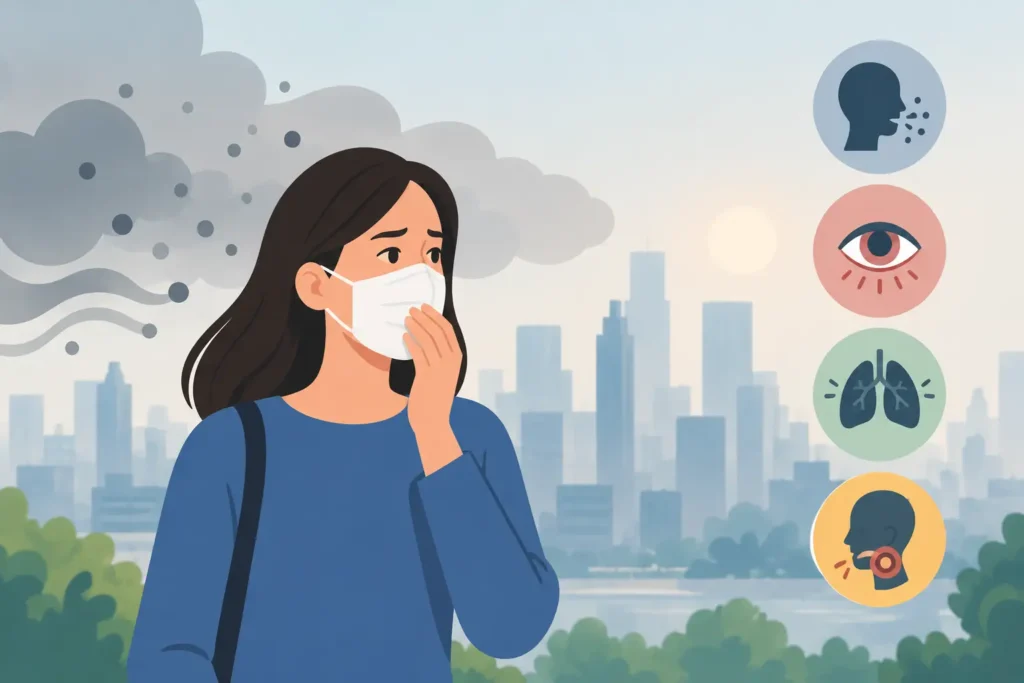
Sneezing, itchy eyes, coughing, and throat irritation can have many triggers. Seasonal pollen, pets, carpet, mold, fragranced products, and dry air all play a role. If symptoms repeatedly improve when people leave the property and return when they come back, start by checking filters, humidity, visible dust, and ventilation performance.
For people with asthma or significant respiratory conditions, medical guidance should come first. A cleaner ventilation system can reduce some airborne dust and allergens, but it is one part of a broader indoor environment.
4. Vents release odors when the system starts
A brief dusty smell after a system has been off for months can happen. Persistent musty, burnt, chemical, or sewage-like odors are different. Do not cover them with air fresheners. Identify the source.
A musty smell may indicate moisture around equipment, drain pans, insulation, or another hidden area. A burning smell can signal an electrical or mechanical problem. If you suspect gas, smoke, or carbon monoxide, leave the area as appropriate and contact emergency or utility support. Vent cleaning is not the right first step for an active safety hazard.
5. Humidity causes condensation or mildew
Window condensation, peeling paint, damp closets, and visible mildew are moisture warnings. Humidity that stays too high can support mold growth and make a space feel heavy. Low humidity can irritate skin and airways. Exhaust fans, dryer vents, bathroom ventilation, and properly operating HVAC equipment all help manage moisture, but leaks and building-envelope issues may require separate repairs.
6. Your dryer takes longer to dry clothes
This is one of the clearest maintenance signals in a home. A dryer that suddenly needs extra cycles may have a lint-clogged vent, crushed duct, disconnected section, or exterior flap that is not opening correctly. Beyond wasted energy and frustration, restricted dryer airflow raises fire risk.
Clean the lint screen after every load, but remember that the screen does not catch everything. Lint can build up farther along the vent path, especially in long runs common in condos and larger homes.
7. Tenants or family members report the same issue
Property managers should pay attention when complaints repeat across suites, offices, or common areas. Dust complaints, stale odors, overheating equipment rooms, and slow dryers are useful maintenance data. Patterns can reveal a ventilation issue before it becomes a larger tenant-satisfaction, safety, or operational problem.
What Professional Duct Cleaning Can – and Cannot – Do
A proper air duct cleaning service removes accessible dust, debris, and particulate buildup from the duct system using equipment designed to contain what is dislodged. It can be especially useful after renovations, following a move, when visible debris is present, or when a property has gone years without maintenance.
It can also support better airflow when buildup is contributing to restriction. However, professional cleaning cannot repair damaged ducts, solve a refrigerant issue, remove mold from an unknown source, or compensate for a poor HVAC design. If moisture is present, the moisture source must be corrected. If ducts are damaged or disconnected, they may need repair or replacement.
That distinction protects customers from overpromises. Be cautious with discount cold calls, vague claims that every home requires urgent cleaning, or pricing that changes dramatically at the door. A trustworthy provider explains what is included, assesses the system honestly, and gives clear pricing before work begins.
Practical Ways to Improve Air Quality Between Visits
Start with the basics that have the biggest day-to-day effect. Replace HVAC filters on the schedule recommended for your system and household conditions. Homes with pets, heavy occupancy, or renovation dust may need more frequent changes. Keep supply and return vents clear of furniture, rugs, and storage bins so air can circulate.
Use kitchen and bathroom exhaust fans during cooking and bathing, then let them run long enough to clear moisture and particles. Vacuum with a well-maintained machine, clean hard surfaces with low-fragrance products when possible, and address spills or leaks quickly. If outdoor conditions are poor, keep windows closed and rely on properly maintained mechanical ventilation instead.
For condo owners, do not assume the dryer vent is a minor detail because it is hidden. Ask who is responsible for the vent route, how access is handled, and whether building rules affect maintenance. For commercial facilities, document filter changes, tenant reports, and ventilation service dates. Records make it easier to spot recurring issues and plan maintenance before complaints escalate.
When It Is Time to Call a Professional
Call for an assessment when airflow has noticeably dropped, visible debris is coming from vents, odors persist after basic cleaning, or dryer performance has changed. A professional should inspect the situation, explain the likely cause, and recommend only the work that fits the problem.
In the Greater Toronto Area, Dust Chasers provides separate duct and dryer vent services for homes, condos, and commercial properties because those systems do not all have the same access, risks, or maintenance needs. Certified, transparent service matters most when the work affects the air people breathe and the equipment they rely on every day.
A clean home should not have to feel stale, dusty, or unsafe. Pay attention to the patterns, handle urgent warning signs quickly, and treat ventilation maintenance as practical protection for the people and property in your care.