


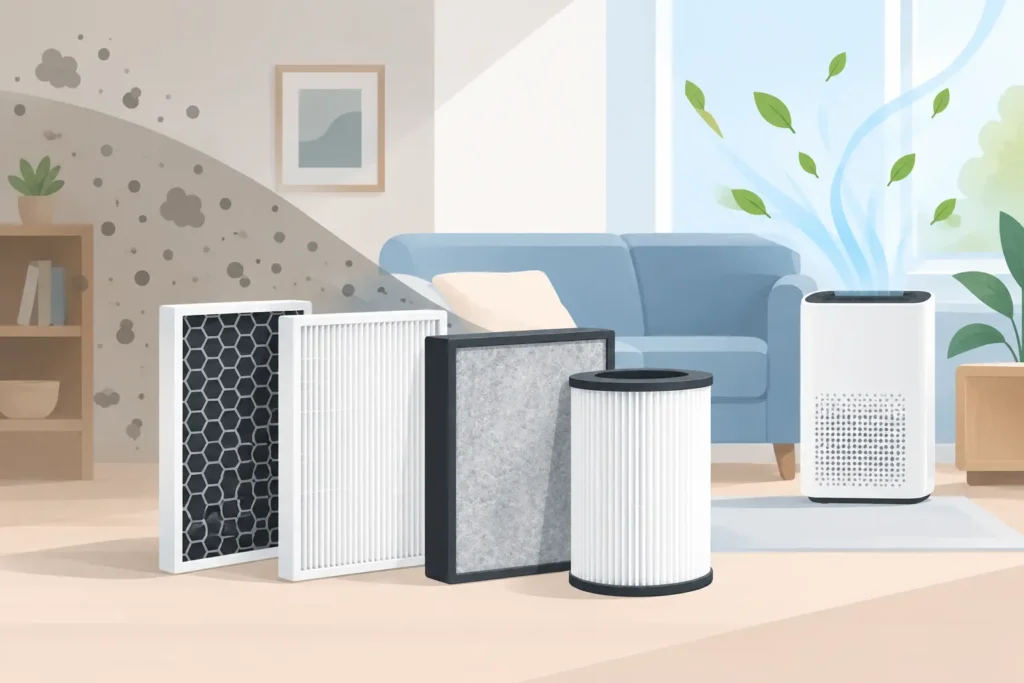
A gray film returning to your furniture two days after cleaning is more than a housekeeping annoyance. It can mean your HVAC system is moving dust through the home, your filter is not capturing enough of it, or air is bypassing the filter altogether. The best filters for dusty homes reduce what gets recirculated, but only when the filter type, fit, and replacement schedule match the system.
For homeowners and condo residents, the goal is not to buy the most expensive filter on the shelf. It is to capture the particles causing the problem without choking airflow or creating extra strain on heating and cooling equipment. That balance matters in every home, especially during long heating seasons and high-pollen months.
Start With the Filter in Your HVAC System
Your furnace or air-handler filter is the first place to look. It protects equipment and catches airborne particles before the system sends conditioned air back through supply vents. If the filter is thin, damaged, poorly sized, or overdue for replacement, dust can keep circulating through rooms no matter how often you vacuum.
Filter performance is commonly measured by MERV, short for Minimum Efficiency Reporting Value. The higher the MERV rating, the more efficiently the filter captures smaller airborne particles. Higher is not automatically better, though. Very dense filters can restrict airflow if your system was not designed for them.
MERV 8: A practical baseline
A quality pleated MERV 8 filter is a strong starting point for many homes with normal dust levels. It captures common particles such as lint, carpet fibers, dust mites, pollen, and larger mold spores while generally allowing good airflow. It is a meaningful upgrade from a basic fiberglass filter, which is mainly designed to protect HVAC equipment rather than improve indoor air.
If your home has no major allergy concerns and the system has historically performed well, MERV 8 may be all you need. The key is changing it on time and ensuring it fits tightly in the filter rack.
MERV 11: Often the sweet spot for dusty homes
For many households, MERV 11 is among the best filters for dusty homes. It captures finer particles than MERV 8, including more pet dander, smoke-related particles, and smaller airborne dust. Families with shedding pets, busy entryways, nearby construction, or recurring dust on surfaces often see a worthwhile difference.
MERV 11 is also a sensible option for many condos, where air can carry particles from hallways, parking areas, renovation activity, and neighboring units. Before moving up, check your HVAC manufacturer guidance or ask a qualified technician whether the system can handle the added resistance.
MERV 13: Better filtration, but verify compatibility
MERV 13 filters capture a higher percentage of fine particles, including many that can aggravate respiratory symptoms. They can be a good fit for households dealing with allergies, wildfire smoke exposure, or persistent fine dust.
The trade-off is airflow. In a system with a weak blower, undersized return duct, or a restrictive filter cabinet, MERV 13 may reduce air movement and make heating or cooling less effective. A filter should clean the air without turning your HVAC system into a bottleneck. If rooms have weak airflow already, solve that issue before assuming a denser filter is the answer.
The Filter Has to Fit, Not Just Fit Inside
A filter that is nominally the right size can still let dust pass around its edges. Air takes the easiest route. If there is a gap between the filter and its frame, unfiltered air can bypass the media and carry dust directly into the equipment and ducts.
Check the actual dimensions printed on the filter, not only the size listed on the return grille. A filter labeled 16 x 25 x 1 may measure slightly smaller than those dimensions. Use the size specified by the manufacturer or measure the existing filter carefully. The filter should slide in securely without bending, forcing, or leaving visible gaps.
Also check the airflow arrow. It should point toward the furnace or air handler, in the direction air is moving. Installing a pleated filter backward can reduce performance and cause the media to deform over time.
Replace Filters Before They Become Part of the Problem
A high-rated filter clogged with dust is not doing your home any favors. As debris builds up, airflow drops. That can lead to uneven room temperatures, longer equipment run times, added energy use, and extra stress on the blower.
A one-inch filter often needs replacement every 30 to 90 days, but that range is not a promise. A home with two dogs, open windows, construction nearby, or a large family may need a fresh filter monthly. A lightly occupied condo with no pets may go longer. Check it at least once a month during heavy heating or cooling use. If the surface is visibly gray or airflow feels weaker, replace it.
Thicker media filters, often four or five inches deep, usually hold more debris and can last longer. They can provide excellent filtration with less resistance than a thin high-MERV filter, but they require a compatible filter cabinet. Do not force a thicker filter into a slot designed for one inch.
Add a HEPA Air Purifier Where Dust Bothers You Most
Your HVAC filter treats air moving through the central system. A portable purifier targets the room where people sleep, work, or spend most of their time. For bedrooms, nurseries, home offices, and living rooms, a true HEPA air purifier can be a valuable second layer.
A HEPA filter is designed to capture very fine airborne particles. For dust control, choose a unit sized for the actual room, not the most optimistic number on the box. Look at its clean air delivery rate, or CADR, and run it consistently. A purifier that is too small or only used for an hour before bed will have limited impact.
Avoid treating an air purifier as a replacement for maintenance. It cannot remove settled dust from ducts, return grilles, furniture, or carpets. It can reduce airborne particles, which means less dust may settle over time, but the source still matters.
Do Not Forget Vacuum and Dryer Filters
Fine dust often gets stirred back into the air during cleaning. A vacuum with a sealed system and HEPA filtration helps keep captured debris from leaking back through the exhaust. This is especially useful for homes with pets, rugs, fabric furniture, or allergy-sensitive occupants.
Dryer lint screens need regular attention too, although they are not air-quality filters. Clean the lint screen after every load, and periodically wash away residue from dryer sheets or fabric softeners. A restricted dryer vent can reduce drying performance and create a serious fire risk. If clothes take multiple cycles to dry, the laundry room feels unusually hot, or lint is collecting around the exterior vent hood, schedule a professional inspection.
When a New Filter Does Not Solve the Dust Problem
If you have upgraded the filter, fitted it properly, and changed it regularly but dust still returns fast, the issue may be outside the filter cabinet. Leaky return ducts can pull dusty air from attics, basements, wall cavities, or utility areas. Dirty return grilles, neglected ductwork, and poorly sealed registers can also contribute.
Look for clues. Dust blowing from supply vents, dark buildup around return grilles, musty odors when the system starts, visibly dirty vents, or reduced airflow deserve a closer look. Renovations are another major trigger. Drywall dust, sawdust, and debris can enter returns quickly if registers are left uncovered during work.
Professional duct cleaning is not a cure-all for every dusty room, and no reputable company should claim it is. But when there is visible debris, post-renovation contamination, a long maintenance gap, or evidence of restricted airflow, it can remove accumulated material from areas a household filter cannot reach. For GTA homes, Dust Chasers can assess the system, clean ductwork when it is genuinely warranted, and help identify airflow issues without relying on low-price bait-and-switch tactics.
A Better Plan Than Buying the Highest Rating
Start with a properly fitted pleated MERV 8 or MERV 11 filter, then monitor how quickly it loads and whether airflow remains strong. Move to MERV 13 only when your equipment can support it and the added filtration addresses a real need. Add a room-sized HEPA purifier where dust or allergies are most disruptive, and keep up with vacuum, return-grille, and dryer-vent maintenance.
The right filter should make the air feel cleaner without making your HVAC system work harder than it should. When dust keeps winning despite those basics, it is time to look beyond the filter and find out where it is entering the air stream.