


A dusty TV stand two days after cleaning is not just frustrating. It can be a sign that particles are continuously moving through your home. This indoor allergen reduction guide focuses on the places allergens collect, the habits that keep them circulating, and the maintenance steps that can make your indoor air feel noticeably cleaner.
For families with allergies, pets, or persistent stuffiness, the goal is not a perfectly sterile home. That is neither realistic nor necessary. The goal is to reduce the allergen load so bedrooms, living areas, and shared spaces are easier to breathe in and easier to keep clean.
Start With the Allergens Already in Your Home
Most indoor allergy triggers arrive from ordinary daily life. Outdoor pollen comes in through open windows, shoes, clothing, and pets. Dust mites thrive in soft furnishings and humid rooms. Pet dander settles into carpet, upholstery, and bedding. Mold spores can become a problem where moisture lingers, including bathrooms, basements, laundry areas, and around leaks.
Dust itself is not one single substance. It is a mix of fibers, skin flakes, soil, pollen, pet material, and other fine particles. That is why simply dusting a coffee table may improve appearances without solving the reason dust keeps returning.
Pay attention to patterns. If symptoms feel worse in the morning, focus first on the bedroom. If a room gets dusty quickly after the HVAC system turns on, airflow and duct cleanliness deserve a closer look. If problems spike after rain or in the basement, moisture control may be the bigger priority.
Build an Indoor Allergen Reduction Routine That Holds Up
The most effective approach is consistent and targeted. One intensive cleaning day followed by weeks of buildup will not deliver the same results as smaller jobs done on schedule.
Clean surfaces without sending dust back into the air
Use a damp microfiber cloth for shelves, blinds, baseboards, and hard furniture. Dry dusters can push fine particles into the air, where they eventually settle somewhere else. Work from higher surfaces down to the floor so you are not redoing the same area twice.
Vacuuming matters, but the equipment matters too. A vacuum with a properly sealed filtration system and a high-efficiency particulate air filter is generally a better choice for allergy-sensitive households than a basic model that exhausts fine dust back into the room. Vacuum carpets, rugs, upholstered furniture, and along wall edges at least weekly. Homes with shedding pets may need more frequent attention.
Mopping hard floors after vacuuming picks up the particles the vacuum misses. Avoid heavily fragranced cleaning products if scents tend to trigger headaches or respiratory irritation. Clean does not need to smell perfumed to be clean.
Make the bedroom your first priority
People spend hours in bed every night, making bedrooms a high-value place to reduce allergens. Wash sheets and pillowcases weekly in hot water when the fabric allows it. Wash blankets, comforters, and washable mattress covers regularly as well.
Allergen-proof covers for mattresses and pillows can help reduce exposure to dust mites. They are especially worthwhile for people who wake up congested or sneeze more in the morning. If a bedroom has wall-to-wall carpet, large upholstered furniture, and heavy curtains, cleaning frequency becomes even more important because each material holds onto dust and dander.
You do not have to remove every soft surface. The trade-off is maintenance. A low-pile rug that is vacuumed regularly may be practical, while a thick shag rug in a pet-friendly bedroom can hold far more material than many households realize.
Manage pets without blaming the pet
Pet dander is a common trigger, but sending a beloved animal away is not the only option. Brush pets outdoors when possible, wash pet bedding frequently, and keep pets off beds if someone in the home has significant nighttime symptoms. Bathing requirements vary by animal and skin condition, so follow guidance from a veterinarian rather than overbathing.
A pet-free bedroom is often the single most practical boundary for reducing overnight exposure. It may not eliminate dander, because it travels through the home on clothing and air currents, but it can reduce the concentration where it matters most.
Control Moisture Before Mold Takes Hold
Mold needs moisture. A musty smell, peeling paint, recurring condensation, or visible staining should not be covered with air freshener and ignored. Find the source first. It may be a plumbing leak, a poorly vented bathroom, a damp basement wall, or an appliance issue.
Keep indoor humidity in a moderate range, commonly around 30% to 50%, depending on the season and building conditions. Very humid air can support dust mites and mold growth. Air that is excessively dry can also irritate noses and throats, particularly during heating season.
Run bathroom exhaust fans during showers and leave them running long enough to clear moisture afterward. Use the kitchen range hood when cooking. If these fans are noisy, weak, or seemingly ineffective, they may need inspection or cleaning. Ventilation is only useful when it actually moves air out of the space.
For a small patch of surface mold, cleaning may be appropriate if the material can be safely cleaned and the moisture source is resolved. Widespread growth, repeated water damage, or mold inside walls and ceilings calls for professional assessment. The mistake is treating visible mold as the whole problem when it is usually evidence of a moisture problem behind it.
Improve Filtration and Airflow
Your HVAC filter is one of the simplest tools in your home, but it is often forgotten until it looks gray and overloaded. Check it regularly and replace it according to the manufacturer’s recommendations, adjusting for pets, renovation dust, high system use, and filter type.
Higher-rated filters can capture smaller particles, but more filtration is not automatically better for every system. A filter that is too restrictive for the equipment can reduce airflow and place unnecessary strain on the system. Check your HVAC manufacturer’s guidance or ask a qualified technician which filter rating fits your equipment.
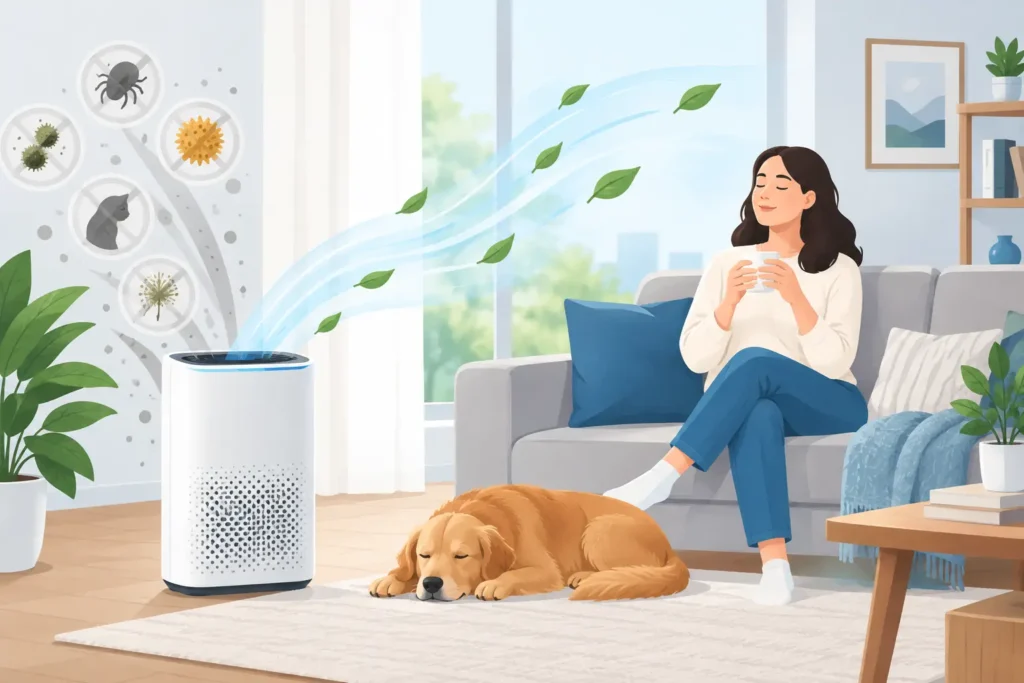
Portable air cleaners can help in the rooms where people sleep or spend the most time. Choose a unit sized for the room, and understand its limits: an air cleaner can reduce airborne particles, but it will not remove dust mites from bedding, stop a leak, or clean a clogged exhaust vent. It works best alongside source control and routine cleaning.
Keep supply and return vents open and unobstructed by furniture, rugs, or storage bins. Closing vents in unused rooms may seem like an efficient move, but many forced-air systems are designed to operate with balanced airflow. In some homes, closing too many vents can create comfort and performance problems rather than savings.
Know When Duct and Vent Maintenance Can Help
Air ducts are not automatically the source of every allergy complaint. A duct cleaning is not a cure for seasonal allergies, and no honest company should promise one. But when dust is blowing from registers, there is visible debris around vents, construction work has filled the home with fine particles, or airflow seems uneven, professional inspection can be a sensible next step.
Duct cleaning can remove accumulated debris from the HVAC distribution system. It is most useful when combined with good filtration, regular housekeeping, and a plan to correct any moisture issue. If mold is suspected in a system, the cause of the moisture must be addressed or the problem can return.
Dryer vent cleaning belongs in the same maintenance conversation for a different reason. A blocked dryer vent does not typically create household allergens, but it can trap lint, reduce dryer performance, and increase fire risk. Longer drying times, a hot laundry room, or a burning smell are warning signs that should not wait.
For GTA homeowners, condo residents, and property managers, Dust Chasers provides duct and dryer vent cleaning with clear service expectations, rather than vague low-price offers that can turn into pressure sales at the door. Ask any provider what is included, how they access and clean the system, and whether they can explain findings in plain language.
Reduce What Gets Carried In
A good allergen strategy begins at the entrance. Place durable mats outside and inside exterior doors, then vacuum or shake them out regularly. Leave shoes at the door when practical, especially during high-pollen seasons and wet weather. This reduces the dirt, pollen, and outdoor particles that would otherwise end up in carpets and on floors.
During days with heavy pollen, keep windows closed if outdoor air is clearly worsening symptoms. Fresh air can be valuable, but timing matters. Opening windows after a rainstorm or during a lower-pollen period may be more comfortable than leaving them open all day during peak season.
Clothing can also carry pollen indoors. Changing after yard work, sports, or a long day outdoors is a small habit with a real payoff for allergy-prone households. Showering before bed can keep pollen out of pillows and sheets.
A Cleaner Home Is Built in Layers
There is no single switch for cleaner indoor air. Filters, laundry, vacuuming, humidity control, ventilation, and professional maintenance each handle a different part of the problem. Start with the room where symptoms are strongest, make changes you can maintain, and investigate recurring dust or stale air instead of accepting it as normal.
Cleaner air is not about chasing perfection. It is about giving your home fewer places for allergens to collect and fewer chances for them to keep circulating.